Why Brownstone Foundations in Wooster Square and East Rock Are Different
If you own a home in Wooster Square or East Rock, you already know that your property is part of New Haven's architectural history. Many of these neighborhoods are filled with Italianate and Victorian-era homes built in the mid-to-late 1800s, and a good number of them sit on brownstone foundations. Brownstone, a type of sandstone that was quarried locally in Connecticut, was a popular building material because it was relatively easy to shape and had a warm, distinctive color. But as beautiful as it is, brownstone is also highly porous. Unlike modern concrete, which is dense and relatively water-resistant, brownstone absorbs moisture like a sponge. That means your foundation is constantly under attack from rain, snowmelt, and the high water table that is common in parts of New Haven.
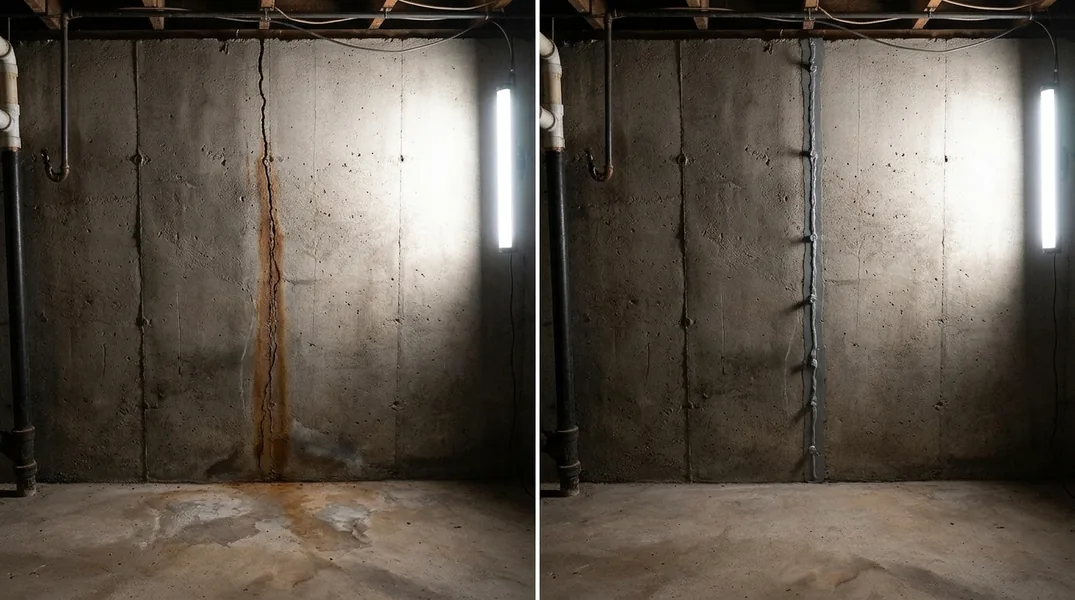
Another issue is that these old foundations were not built with modern waterproofing in mind. Many were constructed with rubble stone or soft mortar joints that have weathered over a century of freeze-thaw cycles. When water gets into the brownstone and then freezes, it expands and causes spalling, where the surface of the stone flakes off. Over time, this weakens the entire structure. If you have noticed crumbling mortar, white powdery deposits (efflorescence), or damp patches on your basement walls, you are likely dealing with an old foundation leak that needs professional attention. The good news is that with the right approach, these historic foundations can be stabilized and kept dry for generations to come.
Common Water Problems in Historic Home Basements
Historic home basement waterproofing is not a one-size-fits-all job. In Wooster Square and East Rock, we see several recurring issues. First, many of these basements were originally built as root cellars or coal storage areas, not as finished living space. They often have dirt floors or thin concrete slabs that do not effectively block moisture. Second, the exterior drainage systems, if they exist at all, are usually outdated. Clay tile footer drains from the 1800s are prone to cracking and clogging, and they may not direct water away from the foundation as they should. Third, the grading around the house may have settled over time, causing water to pool against the foundation rather than draining away.
Another common problem is that the mortar used in older brownstone foundations is softer than modern mortar. If a previous owner repointed the foundation with hard Portland cement mortar, it can trap moisture inside the brownstone and cause the stone to deteriorate faster. Proper foundation repointing for historic homes requires using a lime-based mortar that matches the original composition, allowing the walls to breathe. We also frequently find that interior basement walls have been painted with waterproofing coatings that trap moisture and cause peeling and mold. The key is to address the source of the water, not just cover it up. That is why a thorough inspection is the first step in any Basement Waterproofing plan.
How to Keep Your Brownstone Foundation Dry: Proven Strategies
The most effective way to protect a brownstone foundation is to combine exterior and interior strategies. On the exterior, we often recommend Exterior Basement Waterproofing, which involves excavating around the foundation to repair or replace the footer drain, applying a waterproof membrane to the exterior walls, and installing a drainage board. This approach stops water before it ever reaches the foundation. However, for many historic homes, full exterior excavation is not always practical or desirable, especially if there are mature landscaping or hardscaping features. In those cases, an Interior Drain Tile System can be an excellent solution. This system captures water that seeps through the walls or floor and directs it to a sump pump, keeping the basement dry without disturbing the exterior.
In addition to drainage systems, foundation repointing is critical for brownstone. We carefully remove deteriorated mortar and replace it with a breathable lime mortar that matches the historic character of the home. This not only stabilizes the foundation but also helps prevent further spalling. For above-grade issues, we may also recommend improving gutter and downspout drainage, regrading the soil, and sealing any cracks with appropriate materials. Every home is different, so we tailor our Foundation Waterproofing approach to the specific needs of your property. If you are in Branford or Wallingford, we also serve those areas and can help with similar historic foundation challenges.
When to Call a Professional for Brownstone Foundation Repair Near Me
If you are searching for brownstone foundation repair near me in New Haven, it is important to act at the first sign of trouble. Small cracks, dampness, or minor spalling can quickly escalate into major structural issues if left untreated. Here are a few signs that it is time to call a professional: you notice new cracks appearing in the basement walls or floor, you see efflorescence (white powder) on the brownstone, you have water pooling in the basement after heavy rain, or you feel a musty odor that suggests mold growth. In older homes, it is also common to find that the basement has never been properly waterproofed, so even if you do not see active leaks, it is worth having an expert evaluate the foundation.
At New Haven Waterproofing, we specialize in historic home basement waterproofing and understand the unique challenges of brownstone foundations. We start with a comprehensive inspection to identify the source of the water and assess the condition of the mortar and stone. Then we provide a detailed plan that may include repointing, drainage improvements, and waterproofing systems tailored to your home. We are happy to discuss pricing and financing options, and we offer a free estimate so you can make an informed decision. Do not wait until a small leak becomes a big problem. Call us at (475) 254-7661 to schedule your inspection and take the first step toward a dry basement.
Preserving Historic Character While Protecting Your Investment
Owning a historic home in Wooster Square or East Rock is a privilege, but it also comes with responsibility. The brownstone foundations that give these neighborhoods their character require thoughtful care. When we work on these homes, we are careful to use materials and techniques that respect the original construction. For example, we avoid harsh waterproofing coatings that trap moisture and instead use breathable systems that allow the brownstone to dry out naturally. We also source lime mortar that matches the color and texture of the original, so repairs blend seamlessly with the existing stone.
Our goal is to help you protect your investment without compromising the historic integrity of your home. Whether you need a simple repointing job or a full waterproofing system, we have the experience and expertise to do it right. We also serve homeowners in Cheshire and surrounding areas, so if you are outside New Haven, do not hesitate to reach out. Contact us today to learn more about how we can help you keep your brownstone foundation dry and your historic home beautiful for years to come.
Looking for a professional basement waterproofing contractor in New Haven? New Haven Waterproofing responds fast for all your basement waterproofing needs.
Get a Free QuoteOur services: Basement Waterproofing · Interior Drain Tile System · Exterior Basement Waterproofing