Why New Haven Basements Are Vulnerable to Shoreline and River Flooding
Living in New Haven means enjoying the beauty of the coastline and the Quinnipiac and Mill rivers, but it also means your basement faces a unique set of water threats. Coastal storm surge from Long Island Sound can push water inland during nor'easters and hurricanes, while heavy rainfall can cause river flooding that overwhelms local drainage systems. When these two forces combine, the result is often a Basement Waterproofing challenge that goes far beyond a simple leak.
Many older homes in the area were built before modern floodplain management, and their foundations may already have small cracks or inadequate drainage. Even newer properties can be caught off guard by the volume of water that a severe storm can deliver. Understanding how water enters your basement is the first step toward protecting your home. Whether the threat comes from a rising river or a surging tide, the solutions often overlap, and a professional assessment can identify the specific vulnerabilities of your property.
How Coastal Storm Surge and River Flooding Enter Your Basement
Storm surge is not just ocean water; it is a wall of water pushed ashore by high winds, and it can raise groundwater levels for miles inland. In New Haven, this means that even homes not directly on the shore can experience water seeping through the foundation. River flooding, on the other hand, typically occurs after prolonged rain, when the ground becomes saturated and water follows the path of least resistance, often through the cove joint where the floor meets the wall. Both scenarios can lead to a flooded basement if preventive measures are not in place.
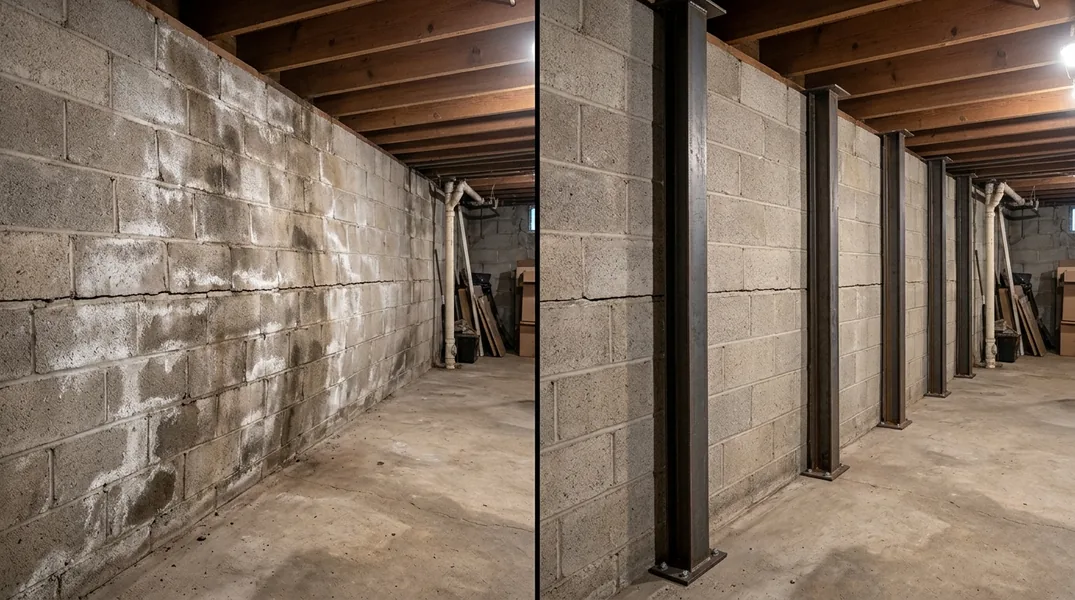
Once water enters, it can ruin stored belongings, damage HVAC systems, and create a breeding ground for mold. The pressure from saturated soil can also crack foundations and bow walls, turning a manageable problem into a structural emergency. That is why Foundation Waterproofing should be designed to handle both sudden surges and sustained water pressure. A comprehensive approach considers the entire envelope of your home, from the roof gutters to the footing drains, and ensures that water is directed away before it ever reaches your basement walls.
Flood Prevention Strategies for New Haven Homeowners
Prevention starts with managing water on the outside. Grading your yard so that it slopes away from the foundation is a simple but effective step. Ensuring that gutters and downspouts are clear and discharge several feet from the house can significantly reduce the amount of water that pools around the foundation. For homes in low-lying areas, an Exterior Basement Waterproofing system, including a waterproof membrane and footing drains, can create a barrier that keeps groundwater at bay.
Inside, an Interior Drain Tile System can capture water that does make it through the walls or floor and channel it to a sump pump. A battery backup sump pump is essential for storm scenarios, as power outages are common during severe weather. Additionally, installing flood vents or using flood-resistant materials in the basement can minimize damage if water does enter. These measures, combined with a smart landscape plan, form a robust defense against both river flooding and coastal storm surge. For homeowners in Branford and Wallingford, similar risks apply, and local experts can tailor solutions to the specific flood patterns of each town.
Flooded Basement Cleanup: What to Do After the Storm
If your basement has already taken on water, safety must come first. Do not enter a flooded basement if there is any chance of electrical shock. Turn off power at the main breaker only if you can do so safely from a dry location. Once the water recedes, or after it is pumped out by a professional, the cleanup process begins. It is crucial to remove standing water quickly to prevent mold growth and further damage. Wet drywall, insulation, and carpet should be removed and discarded, as they can harbor mold and bacteria.
After the initial extraction, the space must be thoroughly dried using dehumidifiers and fans. Surfaces should be cleaned with a disinfectant to kill any remaining mold spores. It is also wise to have a professional inspect the foundation for cracks or other damage that may have occurred during the flood. Contact New Haven Waterproofing at (475) 254-7661 for a post-flood assessment and to discuss permanent flood prevention measures. Remember that quick action during flooded basement cleanup can save you thousands in the long run and ensure your basement is ready for the next storm season.
Basement Waterproofing Near Me: When to Call a Professional
While some preventive steps are DIY-friendly, the complexity of coastal and river flooding often requires a professional touch. If you have experienced water in your basement even once, or if you live in a flood-prone area of New Haven, it is time to call a specialist. A professional can perform a detailed inspection using moisture meters and thermal imaging to detect hidden water intrusion. They can also recommend the right combination of interior and exterior solutions, ensuring that your investment is effective and long-lasting.
When searching for "basement waterproofing near me" in New Haven, look for a company with local experience and a track record of successful installations. New Haven Waterproofing understands the specific challenges posed by the region's shoreline and rivers. We offer pricing that is transparent and tailored to your needs. Do not wait for the next storm to take action. Schedule a free estimate today and let us help you protect your home from the devastating effects of basement flooding.
Looking for a professional basement waterproofing contractor in New Haven? New Haven Waterproofing responds fast for all your basement waterproofing needs.
Get a Free QuoteOur services: Basement Waterproofing · Interior Drain Tile System · Exterior Basement Waterproofing